New Year, New You: Simple and Sustainable Healthy Eating Habits
The beginning of a new year is an ideal time to reflect on lifestyle choices and take steps toward better health. One of the most impactful changes anyone can make is adopting healthy and sustainable eating habits. Good nutrition supports immunity, improves energy levels, and helps prevent many lifestyle-related diseases.
At East Point Hospital, we encourage balanced nutrition as a foundation for long-term wellbeing.
Why Healthy Eating Matters?
A nutritious diet plays a vital role in maintaining overall health. Healthy eating helps:
- Strengthen the immune system
- Maintain a healthy body weight
- Control blood sugar and blood pressure
- Reduce the risk of heart disease
- Improve digestion and mental wellbeing
Consistent, balanced nutrition is more effective than extreme or short-term diets.
Principles of a Balanced Diet
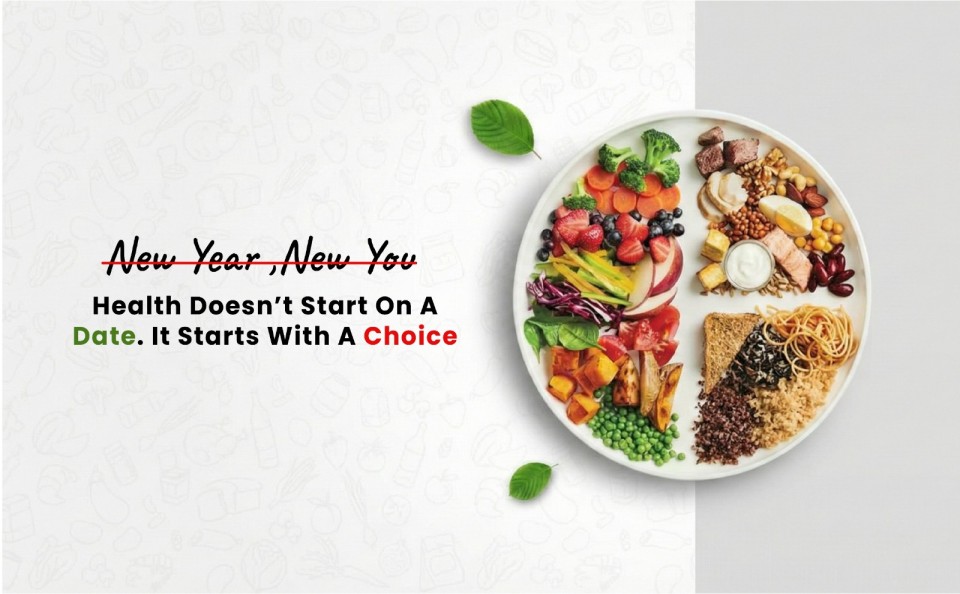
A healthy plate should include:
- Whole grains such as brown rice, millets, or whole wheat
- Proteins from pulses, eggs, dairy, fish, or lean meats
- Fruits and vegetables for vitamins, minerals, and fibre
- Healthy fats in moderate quantities
Eating a variety of foods ensures that the body receives essential nutrients.
Simple Healthy Eating Tips for Daily Life
Making small, practical changes can lead to lasting results:
- Start the day with a nutritious breakfast
- Avoid skipping meals
- Choose home-cooked food whenever possible
- Reduce intake of fried, processed, and sugary foods
- Drink adequate water, even during winter
- Practice portion control and mindful eating
These habits support both physical and mental health.
Common Nutrition Mistakes to Avoid
Some common errors include:
- Relying on crash diets
- Overeating “healthy” foods without portion control
- Ignoring hydration
- Excessive consumption of packaged foods
Sustainable nutrition focuses on balance, not restriction.
Special Nutritional Care for Different Age Groups
- Children need nutrient-dense foods to support growth and development
- Adults benefit from balanced meals that support work-life demands
- Elderly individuals require easily digestible, nutrient-rich diets
Nutritional needs vary with age, health conditions, and lifestyle.
When to Seek Medical or Dietary Advice
Consult a doctor or dietitian if you experience:
- Unexplained weight loss or gain
- Digestive problems
- Diabetes, hypertension, or thyroid disorders
- Nutritional deficiencies
Professional guidance ensures safe and personalized dietary planning.
Nutrition Support at East Point Hospital
East Point Hospital provides comprehensive nutrition care through:
- Medical evaluation
- Diet and lifestyle guidance
- Support for lifestyle-related conditions
- Preventive health counselling
Our approach focuses on practical, long-term health improvements.
Frequently Asked Questions (FAQs)
- Is skipping meals helpful for weight loss?
No. Skipping meals can slow metabolism and lead to overeating later.
- Are fad diets safe?
Most fad diets are not sustainable and may cause nutritional deficiencies.
- How much water should one drink daily?
Water needs vary by individual, but regular hydration throughout the day is essential.
A Message from East Point Hospital
Healthy eating is not about perfection—it is about consistency and balance. Small changes made today can lead to better health tomorrow.
Make this year a step toward lasting wellness.
For health guidance and preventive care, visit East Point Hospital.