Polio & Childhood Immunization: Protecting Children Through Vaccination
Every child deserves a healthy start in life. Childhood immunisation is one of the most effective ways to protect children from serious infectious diseases and their complications. Vaccines help a child’s immune system recognize and fight specific infections, reducing the risk of illness and helping protect the wider community. Polio is one such disease that highlights the importance of vaccination. Although India was certified polio-free in 2014, maintaining high vaccination coverage and continued surveillance remain essential to prevent the disease from returning.
What Is Polio?
Poliomyelitis, commonly known as polio, is a highly infectious viral disease that primarily affects young children. The virus spreads mainly through the faecal–oral route, often through contaminated water or food, and can multiply in the intestine before affecting the nervous system. In some cases, polio can cause permanent paralysis. Severe cases may affect the muscles involved in breathing and can become life-threatening. There is no cure for paralytic polio, but vaccination provides effective protection against the disease.
Why Is Polio Vaccination Important?
Polio vaccination helps protect children against poliovirus infection and its potentially serious consequences. Vaccination also reduces the circulation of the virus within communities.
The two main types of polio vaccines are:
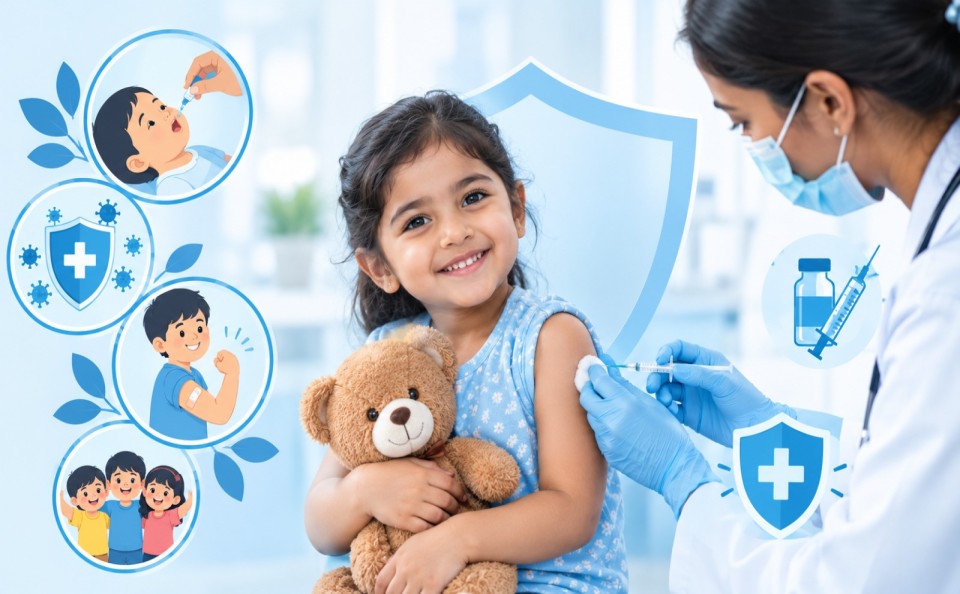
- Oral Polio Vaccine (OPV): Given as oral drops and widely used in India’s polio immunisation programmes.
- Inactivated Polio Vaccine (IPV): An injectable vaccine that helps protect against paralytic polio.
Both vaccines play important roles in polio prevention. Parents should follow the vaccination schedule recommended under India’s Universal Immunisation Programme and their paediatrician’s advice.
What Is Childhood Immunization?
Childhood immunisation involves giving vaccines at recommended ages to protect children against preventable infectious diseases. These vaccines help the immune system develop protection before a child encounters the disease.
Depending on the national immunisation schedule, vaccines may protect against diseases such as:
- Tuberculosis
- Polio
- Hepatitis B
- Diphtheria, pertussis and tetanus
- Haemophilus influenzae type b (Hib) infections
- Measles and rubella
- Rotavirus diarrhoea
- Pneumococcal disease
- Other vaccine-preventable infections included in the applicable schedule
The vaccines offered and the timing of each dose may vary according to the child’s age, medical history and the applicable immunisation programme.
When Should Children Receive Vaccinations?
Vaccinations begin at birth and continue through infancy and childhood. Some vaccines require multiple doses or booster doses to provide the recommended protection.
Parents should:
- Check the child’s vaccination card after every visit.
- Attend appointments according to the recommended schedule.
- Keep a record of all vaccines received.
- Consult a Paediatrician if a dose has been missed or delayed.
- Ask the healthcare professional about any additional vaccines appropriate for the child’s age and circumstances.
A missed vaccine dose does not usually mean that the entire vaccination schedule must be restarted. A healthcare professional can advise on the appropriate catch-up schedule.
Are Vaccines Safe for Children?
Vaccines used in authorized immunisation programmes undergo safety and quality assessments. Like other medical interventions, they can cause side effects, but most reactions are mild and temporary.
Common reactions may include:
- Pain, redness or swelling at the injection site.
- Mild fever.
- Temporary irritability or tiredness.
Serious allergic reactions are rare. Seek immediate medical attention if a child develops difficulty breathing, swelling of the face or throat, collapse, or other severe symptoms following vaccination. Inform the healthcare professional about any previous severe allergic reaction or relevant medical condition before vaccination. Do not delay routine vaccination without discussing your concerns with a qualified healthcare professional.
What Should Parents Do If Their Child Misses a Vaccine?
Busy schedules, travel or illness may sometimes lead to missed vaccination appointments. Parents should not panic or abandon the vaccination programme.
Instead:
- Review the child’s vaccination card.
- Contact a Paediatrician or immunisation clinic.
- Explain which doses have already been given and when.
- Follow the recommended catch-up schedule.
The healthcare professional can determine which doses are due and whether any adjustments are necessary.
How Can Parents Support Childhood Immunization?
Parents and caregivers can help protect children by making vaccination a regular part of preventive healthcare.
- Maintain an updated vaccination record.
- Attend routine child-health check-ups.
- Obtain vaccines from authorized healthcare facilities.
- Follow advice about vaccine storage, timing and aftercare.
- Share accurate vaccination information with family members.
- Avoid relying on unverified online information when making healthcare decisions.
Community-wide vaccination is also important because high immunization coverage helps reduce the spread of vaccine-preventable diseases.
Protect Your Child’s Health with Timely Vaccination
Polio prevention and childhood immunisation are important investments in a child’s long-term health. Staying up to date with recommended vaccines helps reduce the risk of serious infections and their complications. At East Point Hospital, parents can consult qualified healthcare professionals for guidance on childhood immunization, vaccination records and missed doses.
Give your child a healthier start. Consult a pediatrician to review your child’s vaccination schedule and keep immunization up to date.