Stroke: Recognize the Warning Signs, Act Fast and Save a Life
A stroke is a medical emergency that requires immediate attention. It occurs when the blood supply to part of the brain is interrupted or when a blood vessel in the brain ruptures. Without prompt treatment, brain cells can become damaged, potentially leading to long-term disability or death. Recognizing the warning signs of a stroke and seeking emergency medical care immediately can make a significant difference in a person’s recovery. Knowing what to look for and how to respond can help save a life.
What Is a Stroke?
A stroke occurs when the brain does not receive the blood and oxygen it needs to function properly. There are two main types of stroke:
- Ischaemic stroke: Occurs when a blood clot or blockage interrupts blood flow to part of the brain.
- Hemorrhagic stroke: Occurs when a blood vessel in the brain ruptures, causing bleeding.
A transient ischaemic attack (TIA), sometimes called a mini-stroke, causes temporary stroke-like symptoms due to a brief interruption in blood flow. Even when symptoms disappear, a TIA requires urgent medical assessment because it may indicate an increased risk of a future stroke.
Recognise the Warning Signs of Stroke: Remember FAST
One of the easiest ways to recognize common stroke symptoms is the FAST method.
F – Face Drooping
Ask the person to smile. Does one side of the face droop, or does the smile appear uneven?
A – Arm Weakness
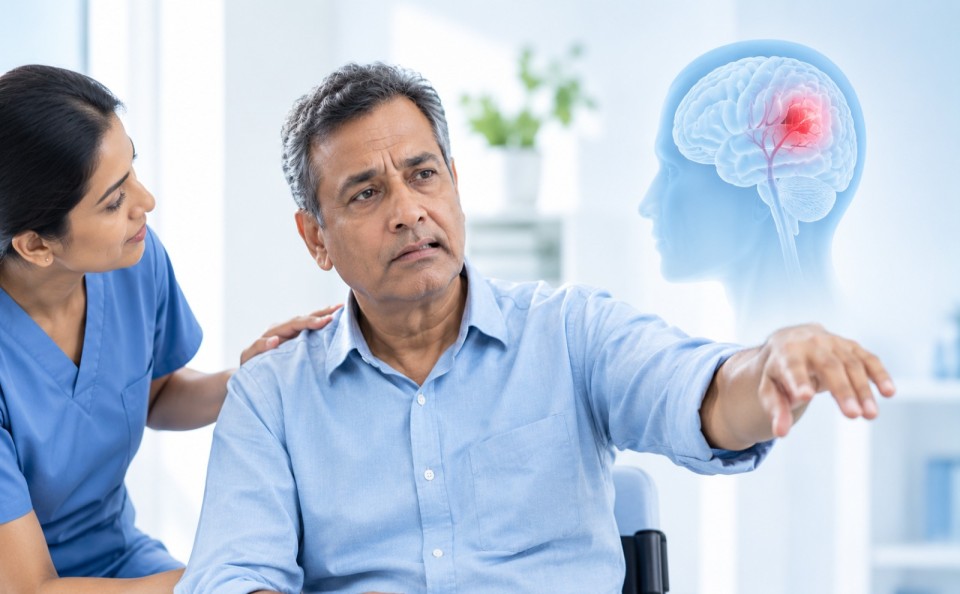
Ask the person to raise both arms. Does one arm drift downward, or is one arm suddenly weak or numb?
S – Speech Difficulty
Ask the person to repeat a simple sentence. Is their speech slurred, unclear or difficult to understand? Are they having trouble speaking or understanding others?
T – Time to Act
If you notice any of these signs, seek emergency medical assistance immediately. Note the time the symptoms started or the last time the person was known to be well.
Do not wait for symptoms to improve. Every minute matters during a stroke.
Other Stroke Symptoms You Should Never Ignore
Not every stroke presents with the classic FAST symptoms. Other warning signs can include:
- Sudden loss or blurring of vision in one or both eyes.
- Sudden difficulty walking, dizziness or loss of balance.
- Sudden loss of coordination.
- A sudden, severe headache without an obvious cause.
- Sudden confusion or difficulty understanding speech.
- Sudden numbness or weakness, particularly on one side of the body.
These symptoms may have other causes, but their sudden appearance requires urgent medical evaluation.
What Should You Do If Someone Has a Stroke?
Taking the right steps while waiting for emergency assistance can help reduce avoidable delays.
- Call emergency services immediately. In India, you can call 112 for emergency assistance.
- Record the time symptoms began. If the exact time is unknown, note when the person was last seen well.
- Keep the person safe and supported. Help them remain in a comfortable position and monitor their breathing and responsiveness.
- Do not give food, water or oral medication. Stroke can affect swallowing, creating a risk of choking.
- Do not give aspirin unless instructed by a healthcare professional. Some strokes involve bleeding, and aspirin may worsen the bleeding.
- Do not wait for symptoms to disappear. Even temporary symptoms require urgent assessment.
- Follow the emergency team’s instructions. Avoid unnecessary movement and arrange rapid transport to an appropriate emergency facility.
Prompt assessment and brain imaging help doctors identify the type of stroke and determine the appropriate treatment.
What Are the Risk Factors for Stroke?
Some stroke risk factors cannot be changed, but many can be managed through regular healthcare and healthy lifestyle choices.
Important risk factors include:
- High blood pressure.
- Diabetes.
- High cholesterol.
- Smoking and tobacco use.
- Excessive alcohol consumption.
- Physical inactivity.
- Overweight or obesity.
- Atrial fibrillation and certain other heart conditions.
- Previous stroke or transient ischaemic attack.
- Increasing age and family history.
High blood pressure is a particularly important risk factor. Regular health check-ups can help identify and manage conditions that increase stroke risk.
How Can You Reduce Your Risk of Stroke?
Although not every stroke can be prevented, adopting healthier habits can help lower the risk.
1. Monitor Blood Pressure: Check your blood pressure regularly and follow your healthcare professional’s advice regarding treatment and lifestyle changes.
2. Manage Diabetes and Cholesterol: Keep blood sugar and cholesterol levels under control through appropriate treatment, dietary choices and follow-up consultations.
3. Eat a Balanced Diet: Include vegetables, fruits, whole grains, pulses and other nutritious foods. Limit excessive salt, highly processed foods and foods high in unhealthy fats.
4. Stay Physically Active: Engage in regular physical activity suited to your age and health status. Consult a healthcare professional before starting a new exercise programme if you have existing medical conditions.
5. Avoid Tobacco: Smoking and other forms of tobacco use increase cardiovascular risk. Quitting can improve overall heart and blood vessel health.
6. Attend Regular Health Check-Ups: Routine consultations can help detect risk factors early and support timely treatment.
7. Follow Prescribed Treatment: Take medicines for blood pressure, diabetes, cholesterol or heart conditions as prescribed. Do not stop or change medication without medical advice.
Why Is Early Stroke Treatment Important?
Stroke treatment depends on the type of stroke, the location and extent of brain injury, and the time since symptoms began.
For selected patients with an ischaemic stroke, clot-dissolving treatment may be appropriate within a limited time window. Some patients may also benefit from a procedure called mechanical thrombectomy, which removes a clot from a blocked blood vessel.
Patients with a haemorrhagic stroke may require specialised treatment to control bleeding, manage pressure within the brain or address the affected blood vessel.
Not every patient is eligible for every treatment. Rapid evaluation by an experienced medical team helps determine the safest and most appropriate approach.
Recovery and Rehabilitation After Stroke
Stroke recovery varies from person to person. Some patients recover quickly, while others require ongoing rehabilitation and support.
Depending on individual needs, recovery may involve:
- Physiotherapy to improve movement, balance and strength.
- Occupational therapy to support daily activities.
- Speech and language therapy for communication or swallowing difficulties.
- Nutritional support and management of associated medical conditions.
- Psychological support for patients and caregivers.
- Regular follow-up to reduce the risk of another stroke.
Family involvement, rehabilitation and adherence to medical advice can contribute to recovery and quality of life.
Act Fast. A Stroke Is a Medical Emergency.
Recognizing stroke symptoms early, calling for emergency assistance and avoiding delays can help improve the chances of receiving timely treatment.
Remember FAST: Face drooping, Arm weakness, Speech difficulty, Time to act. If you suspect a stroke, do not wait for the symptoms to pass.
At East Point Hospital, timely medical evaluation and appropriate emergency care are important for patients presenting with suspected stroke symptoms. If you or someone around you develops sudden symptoms suggestive of a stroke, seek emergency medical assistance immediately. Know the signs. Act without delay. You could save a life.