Hypertension: The Silent Killer and How to Control It Effectively
Hypertension, commonly known as high blood pressure, is one of the most prevalent lifestyle-related diseases worldwide. It is often referred to as the “silent killer” because it usually presents with no noticeable symptoms, yet it can lead to serious health complications if left untreated. Many individuals remain unaware of their condition until it is detected during routine health checkups or after the development of complications. At East Point Hospital, emphasis is placed on early diagnosis, regular monitoring, and comprehensive management of hypertension to prevent long-term health risks and improve patient outcomes.
Understanding Blood Pressure
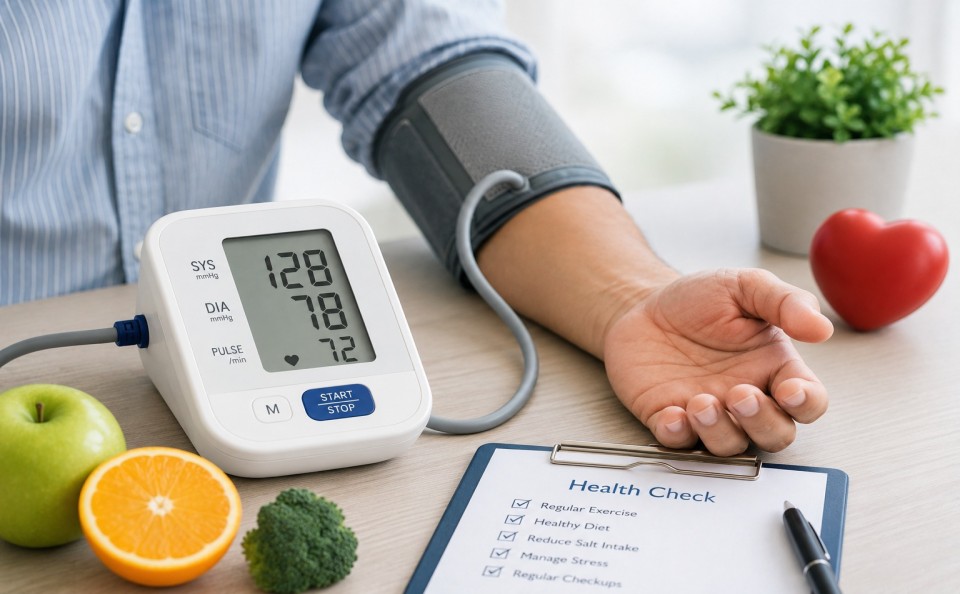
Blood pressure is the force exerted by circulating blood on the walls of the arteries. It is recorded as two values: systolic pressure, which represents the pressure when the heart contracts, and diastolic pressure, which represents the pressure when the heart relaxes between beats.
A normal blood pressure reading is typically around 120/80 mmHg. Hypertension is diagnosed when readings consistently remain above normal levels, usually 140/90 mmHg or higher, depending on individual risk factors and clinical guidelines.
Why Hypertension is Called a Silent Killer
One of the most concerning aspects of hypertension is that it often does not cause symptoms in its early stages. Individuals may feel completely normal while damage is gradually occurring within the body. Over time, uncontrolled high blood pressure can lead to serious complications such as heart disease, stroke, kidney failure, and vision loss. This silent progression makes regular screening essential, especially for individuals at higher risk.
Causes and Risk Factors
Hypertension can develop due to a combination of genetic, lifestyle, and environmental factors. While some individuals may have a hereditary predisposition, lifestyle choices play a significant role in its development. Common risk factors include unhealthy diet, particularly high salt intake, lack of physical activity, obesity, chronic stress, smoking, and excessive alcohol consumption. Age is also an important factor, as the risk of hypertension increases over time. Certain medical conditions such as diabetes, kidney disease, and hormonal disorders can further contribute to elevated blood pressure.
Symptoms and Warning Signs
Although hypertension is often asymptomatic, some individuals may experience symptoms such as headaches, dizziness, shortness of breath, or nosebleeds in advanced stages. However, these symptoms are not reliable indicators and usually appear only when blood pressure levels are significantly high. This highlights the importance of regular blood pressure monitoring, even in the absence of symptoms.
Complications of Uncontrolled Hypertension
If left untreated, hypertension can affect multiple organs in the body. It increases the risk of heart-related conditions such as heart attack, heart failure, and enlargement of the heart. The brain is also affected, leading to stroke or transient ischemic attacks. The kidneys may suffer damage, resulting in chronic kidney disease or failure. Hypertension can also damage blood vessels in the eyes, leading to vision problems, and may contribute to peripheral artery disease, affecting blood circulation in the limbs.
Diagnosis and Monitoring
Diagnosis of hypertension is based on repeated blood pressure measurements taken under standardized conditions. A single elevated reading does not confirm the diagnosis, and multiple readings are required over time. In some cases, ambulatory blood pressure monitoring or home monitoring may be recommended to assess variations throughout the day. Additional investigations may be required to evaluate organ function and identify underlying causes or complications.
Management of Hypertension
Effective management of hypertension involves a combination of lifestyle modifications and medical treatment.
Lifestyle Changes: Adopting a healthy lifestyle is the first and most important step in controlling blood pressure. This includes maintaining a balanced diet rich in fruits, vegetables, and whole grains, while reducing salt and saturated fat intake. Regular physical activity, such as brisk walking or exercise for at least 30 minutes a day, helps improve cardiovascular health. Stress management through relaxation techniques, adequate sleep, and avoiding tobacco and alcohol also play a significant role in blood pressure control.
Medical Treatment: In cases where lifestyle changes alone are insufficient, medications may be prescribed to control blood pressure. These medications work through different mechanisms to relax blood vessels, reduce fluid retention, or regulate heart function. It is important for patients to take medications as prescribed and not discontinue them without medical advice, even if blood pressure appears to be under control.
Importance of Regular Follow-Up
Hypertension is a chronic condition that requires continuous monitoring and long-term management. Regular follow-up visits help assess treatment effectiveness, adjust medications if needed, and monitor for complications. Patient education and adherence to treatment are key factors in achieving optimal blood pressure control.
Prevention of Hypertension
Preventive measures can significantly reduce the risk of developing hypertension. These include maintaining a healthy weight, following a balanced diet, staying physically active, and managing stress effectively. Regular health checkups are essential for early detection and prevention of complications.
Role of Healthcare Institutions
Hospitals play a crucial role in the prevention and management of hypertension through screening programs, patient education, and comprehensive treatment services. At East Point Hospital, advanced diagnostic facilities, experienced healthcare professionals, and personalized treatment plans ensure effective management of hypertension and related conditions.
Conclusion
Hypertension is a common yet serious condition that requires early detection and proper management. Despite its silent nature, it can lead to life-threatening complications if left untreated. At East Point Hospital, we are committed to helping individuals manage their blood pressure effectively through expert care and preventive strategies. We encourage you to monitor your blood pressure regularly and consult our specialists for early diagnosis and personalized treatment. Your heart health starts with awareness and action.