Sickle Cell Disease: Understanding a Genetic Blood Disorder and Its Long-Term Complications
Sickle cell disease is a hereditary blood disorder that affects the structure and function of red blood cells. It is one of the most important inherited blood disorders worldwide and can lead to serious health complications if not diagnosed and managed early. The disease affects the body’s ability to transport oxygen efficiently, resulting in repeated episodes of pain, anemia, infections, and organ damage. Unlike normal red blood cells, which are soft and flexible, sickle-shaped cells become rigid and sticky, causing blockage of blood flow in small blood vessels. This leads to reduced oxygen supply to tissues and multiple complications throughout the body. At East Point Hospital, emphasis is placed on early diagnosis, preventive care, comprehensive treatment, and long-term monitoring to improve the quality of life of individuals living with sickle cell disease.
Understanding Red Blood Cells and Hemoglobin
Red blood cells contain hemoglobin, a protein responsible for carrying oxygen from the lungs to tissues and returning carbon dioxide for elimination.
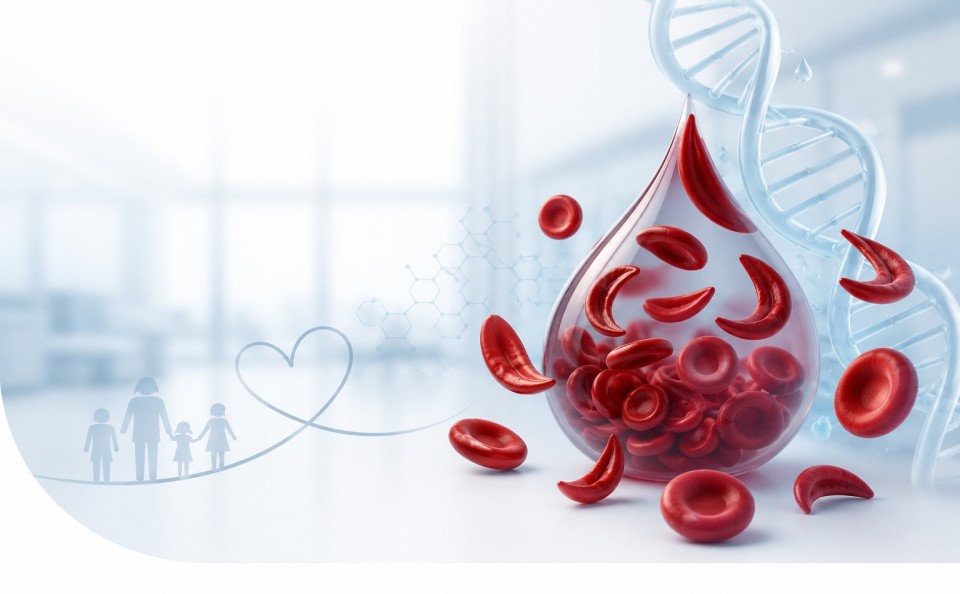
In sickle cell disease, there is an abnormal form of hemoglobin known as hemoglobin S. Under certain conditions such as low oxygen levels, dehydration, or infection, this abnormal hemoglobin causes red blood cells to become crescent or “sickle” shaped.
These abnormal cells are fragile, break down easily, and obstruct blood flow, leading to anemia and tissue damage.
Genetic Basis and Inheritance
Sickle cell disease is inherited in an autosomal recessive pattern. This means a child must inherit the defective gene from both parents to develop the disease.
Individuals who inherit only one abnormal gene are known as carriers or have sickle cell trait. These individuals usually do not develop severe symptoms but can pass the gene to their children.
If both parents carry the trait:
- There is a 25% chance the child will develop sickle cell disease
- A 50% chance the child will carry the trait
- A 25% chance the child will inherit normal genes
Genetic counseling and screening are therefore important, especially in high-risk populations.
Clinical Features and Symptoms
Symptoms of sickle cell disease may appear during infancy or early childhood and vary in severity among individuals.
Chronic Anemia: Sickle-shaped cells have a shorter lifespan than normal red blood cells, leading to persistent anemia. Patients often experience fatigue, weakness, pale skin, and reduced exercise tolerance.
Pain Crises: One of the hallmark features of sickle cell disease is recurrent pain episodes known as vaso-occlusive crises. These occur when sickle cells block blood vessels, reducing oxygen supply to tissues.
Pain may affect the bones, chest, abdomen, joints, or limbs and can range from mild to severe.
Increased Risk of Infections: Damage to the spleen caused by repeated blockage reduces the body’s ability to fight infections. Children with sickle cell disease are particularly vulnerable to serious bacterial infections.
Delayed Growth and Development: Children may experience delayed growth, puberty, and poor weight gain due to chronic anemia and increased metabolic demand.
Organ Complications
Repeated blockage of blood vessels can damage various organs, including the lungs, kidneys, brain, liver, and heart.
Complications may include:
- Stroke
- Acute chest syndrome
- Kidney dysfunction
- Vision problems
- Leg ulcers
These complications require early detection and ongoing medical care.
Diagnosis of Sickle Cell Disease
Early diagnosis is essential for reducing complications and improving survival.
Blood Tests: Complete blood count may reveal anemia and abnormal red blood cells.
Peripheral Blood Smear: Microscopic examination can identify characteristic sickle-shaped cells.
Hemoglobin Electrophoresis: This is the definitive test used to identify abnormal hemoglobin and confirm the diagnosis.
Newborn Screening: Many healthcare systems recommend newborn screening for early detection and preventive care initiation.
Triggers for Sickle Cell Crises
Several factors can trigger sickling of red blood cells and worsen symptoms.
These include:
- Dehydration
- Infection
- Extreme temperatures
- Stress
- Low oxygen levels
Avoiding triggers and maintaining healthy habits are important parts of disease management.
Management of Sickle Cell Disease
Although there is currently no universal cure for sickle cell disease, advances in medical care have significantly improved survival and quality of life.
Pain Management: Pain crises require prompt treatment with hydration, pain-relieving medications, and rest. Severe episodes may require hospitalization.
Hydration and Nutrition: Adequate fluid intake helps reduce sickling of red blood cells. Proper nutrition and folic acid supplementation support healthy blood cell production.
Prevention of Infections: Vaccinations, prophylactic antibiotics in children, and early treatment of infections are crucial preventive measures.
Blood Transfusions: Some patients require blood transfusions to manage severe anemia or prevent complications such as stroke.
Hydroxyurea Therapy: Hydroxyurea is a medication that helps increase fetal hemoglobin levels and reduce the frequency of pain crises and hospitalizations.
Bone Marrow Transplant: Stem cell or bone marrow transplantation offers the possibility of cure in selected patients, particularly when a suitable donor is available.
Psychosocial and Emotional Impact: Living with a chronic illness can significantly affect mental health, education, employment, and social interactions. Recurrent hospital visits and pain episodes may lead to emotional stress and anxiety. Psychological support and family counseling are important aspects of comprehensive care.
Importance of Preventive Healthcare
Regular follow-up, vaccination, hydration, and early treatment of symptoms help prevent severe complications.
Patients should undergo routine monitoring for organ function, growth, and overall health status.
Awareness and education among families and communities play a vital role in improving outcomes.
Role of Specialized Care
Management of sickle cell disease requires coordination between hematologists, pediatricians, physicians, laboratory services, and emergency care teams. At East Point Hospital, comprehensive hematology services, diagnostic support, and multidisciplinary care ensure early diagnosis, effective management, and long-term follow-up for individuals living with sickle cell disease.
Conclusion
Sickle cell disease is a lifelong genetic disorder that requires continuous medical care and patient awareness. Early diagnosis, preventive measures, and modern treatment approaches can significantly reduce complications and improve quality of life. At East Point Hospital, we are committed to providing compassionate, evidence-based care for patients with sickle cell disease and related blood disorders. We encourage families to seek early screening, regular follow-up, and expert medical guidance for better long-term health and well-being.