Hand Hygiene: The First Line of Defense Against Infections
Hand hygiene is one of the simplest yet most powerful measures in preventing the spread of infections. Despite advances in modern medicine, infections continue to pose a significant challenge in both healthcare settings and the community. A large proportion of these infections are transmitted through contaminated hands, making proper hand hygiene a critical component of public health and patient safety. At East Point Hospital, strict adherence to hand hygiene protocols is a fundamental part of infection control practices, ensuring the safety of patients, healthcare workers, and visitors.
How Infections Spread Through Hands
Human hands come into contact with numerous surfaces throughout the day, many of which may harbor harmful microorganisms such as bacteria, viruses, and fungi. These pathogens can survive on surfaces for varying durations and are easily transferred from one surface to another through touch. When individuals touch their face, food, or other people without proper hand hygiene, these microorganisms can enter the body through the mouth, nose, eyes, or broken skin. This leads to the spread of infections such as respiratory illnesses, gastrointestinal infections, and skin infections. In healthcare settings, the risk is even higher, as patients with weakened immune systems are more susceptible to infections. Healthcare-associated infections (HAIs) often occur due to inadequate hand hygiene, making it a critical focus area in hospitals.
Importance of Hand Hygiene in Healthcare Settings
In hospitals, hand hygiene is considered the cornerstone of infection prevention and control. Healthcare workers frequently move between patients, medical equipment, and surfaces, increasing the risk of cross-contamination.
Proper hand hygiene:
- Reduces transmission of pathogens
- Prevents hospital-acquired infections
- Protects both patients and healthcare staff
- Improves overall quality of care
Strict protocols, including handwashing and use of alcohol-based hand sanitizers, are implemented to ensure compliance with infection control standards.
Common Infections Prevented by Hand Hygiene
Effective hand hygiene plays a significant role in preventing a wide range of infections. These include respiratory infections such as the common cold, influenza, and viral illnesses, as well as gastrointestinal infections caused by contaminated food or water. It also helps prevent skin infections and reduces the spread of antibiotic-resistant organisms, which are a growing concern in healthcare. During outbreaks and pandemics, hand hygiene becomes even more critical in controlling disease transmission.
Proper Handwashing Technique
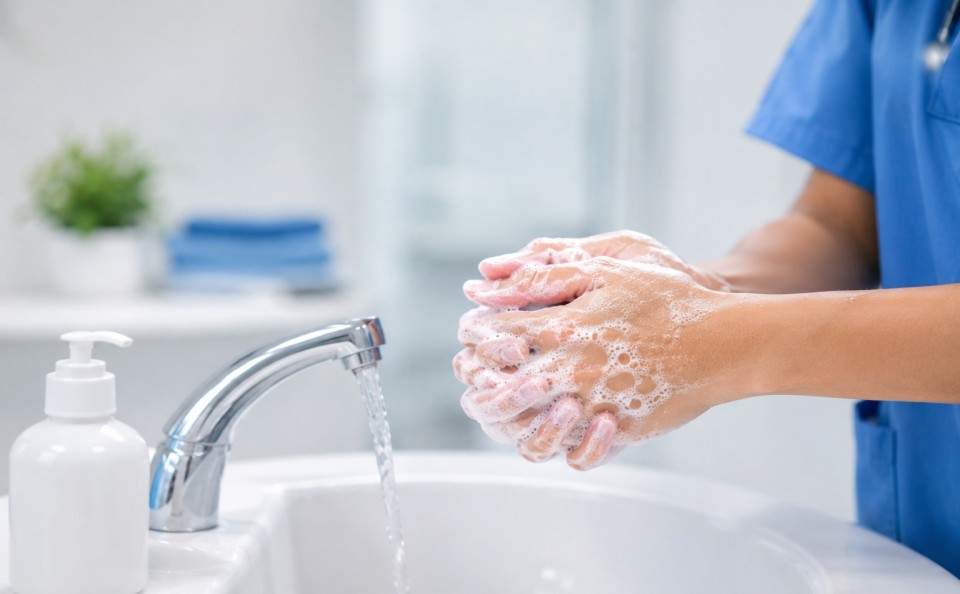
Correct handwashing technique is essential to ensure effective removal of microorganisms. Simply rinsing hands with water is not sufficient. The recommended method involves washing hands with soap and water for at least 20 seconds, ensuring thorough cleaning of all areas, including the palms, back of hands, between fingers, fingertips, thumbs, and wrists. Hands should then be rinsed and dried using a clean towel or air dryer. In situations where soap and water are not readily available, alcohol-based hand sanitizers can be used as an effective alternative, provided hands are not visibly dirty.
When Should Hand Hygiene Be Practiced?
Hand hygiene should be practiced regularly throughout the day, especially before eating, after using the restroom, after coughing or sneezing, and after touching potentially contaminated surfaces. In healthcare settings, it is essential before and after patient contact, before performing procedures, after exposure to bodily fluids, and after touching patient surroundings. Consistent practice of hand hygiene significantly reduces the risk of infection transmission.
Role of Hand Hygiene in the Post-Pandemic Era
The COVID-19 pandemic has highlighted the importance of hand hygiene as a primary preventive measure. Increased awareness has led to improved hygiene practices globally; however, maintaining these habits is essential even beyond the pandemic. Regular hand hygiene continues to be a key defense against emerging infectious diseases and seasonal outbreaks.
Institutional Commitment to Infection Control
Healthcare institutions play a crucial role in promoting hand hygiene practices. This includes training healthcare workers, ensuring availability of hand hygiene facilities, and monitoring compliance. At East Point Hospital, infection control protocols are strictly implemented, with emphasis on patient safety, hygiene standards, and continuous education of staff and visitors.
Conclusion
Hand hygiene is a simple yet highly effective practice that plays a vital role in preventing infections and protecting public health. By adopting proper handwashing techniques and maintaining consistent hygiene habits, individuals can significantly reduce the risk of illness. At East Point Hospital, we are committed to maintaining the highest standards of infection control and patient safety. We encourage everyone to make hand hygiene a daily habit and seek medical care promptly if symptoms of infection arise. Prevention begins with clean hands.