World Pneumonia Day: Recognise the Symptoms and Protect Your Lungs
Breathing is something we often take for granted, but healthy lungs are essential for maintaining overall health and well-being. Respiratory infections can affect people of all ages, and pneumonia is one of the important lung infections that requires timely medical attention. Pneumonia can range from a mild infection to a serious condition, particularly among young children, older adults and individuals with weakened immune systems or existing medical conditions. World Pneumonia Day, observed on 12 November, highlights the importance of raising awareness about pneumonia, recognising its symptoms, improving prevention and ensuring timely access to medical care.
What Is Pneumonia?
Pneumonia is an infection that causes inflammation in one or both lungs. It affects the tiny air sacs called alveoli, which may become filled with fluid or pus, making breathing difficult.
Pneumonia can be caused by different microorganisms, including:
- Bacteria: Certain bacteria, including Streptococcus pneumoniae, are common causes of bacterial pneumonia.
- Viruses: Respiratory viruses such as influenza viruses and respiratory syncytial virus (RSV) can cause pneumonia.
- Fungi: Certain fungal infections can cause pneumonia, particularly in people with weakened immune systems.
The severity of pneumonia depends on the causative organism, the patient’s age, general health and other medical conditions.
What Are the Common Symptoms of Pneumonia?
Pneumonia symptoms can develop suddenly or gradually. They may vary depending on the patient’s age and the type of infection.
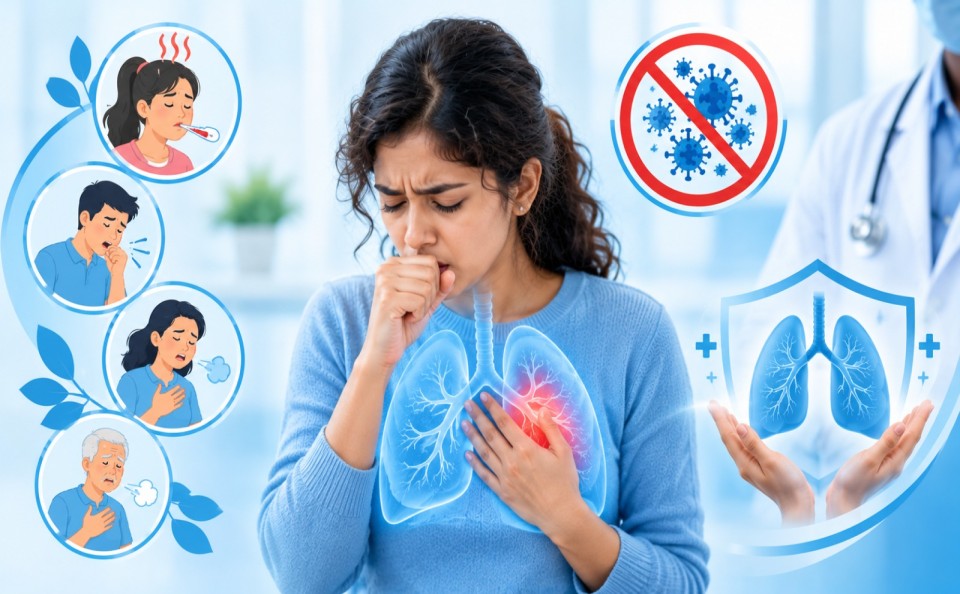
Common symptoms include:
- Persistent cough, sometimes with mucus or phlegm.
- Fever and chills.
- Difficulty breathing or shortness of breath.
- Chest pain, particularly while breathing deeply or coughing.
- Tiredness and weakness.
- Loss of appetite.
- Rapid breathing.
Older adults may sometimes experience confusion, unusual tiredness or a fall in body temperature rather than typical fever symptoms.
In children, warning signs may include fast breathing, difficulty feeding, chest indrawing, unusual sleepiness or irritability.
Seek urgent medical attention if someone develops severe breathing difficulty, bluish lips or face, confusion, reduced responsiveness or other signs of serious illness.
Who Is at Higher Risk of Pneumonia?
Although anyone can develop pneumonia, certain groups are more vulnerable to severe infection.
These include:
- Infants and young children.
- Adults aged 65 years and above.
- People with asthma, COPD or other chronic lung diseases.
- Individuals with diabetes or heart disease.
- People with weakened immune systems.
- Individuals undergoing certain cancer treatments.
- People who smoke or are exposed to tobacco smoke.
Extra care and early medical evaluation are particularly important for people belonging to these groups.
How Does Pneumonia Spread?
Some infections that cause pneumonia can spread through respiratory droplets and particles released when an infected person coughs, sneezes or talks.
Certain infections may also spread through contact with contaminated surfaces followed by touching the nose, mouth or eyes.
However, not all pneumonia is contagious. The risk of transmission depends on the microorganism responsible for the infection.
How Is Pneumonia Diagnosed?
Early diagnosis helps doctors identify the cause and severity of pneumonia and decide on appropriate treatment.
Depending on the patient’s condition, investigations may include:
- Physical Examination: The doctor evaluates symptoms, temperature, breathing rate and oxygen levels, and listens to the lungs using a stethoscope.
- Chest X-ray: A chest X-ray can help identify areas of infection or inflammation in the lungs.
- Blood Tests: Blood investigations may help assess infection and the patient’s overall condition.
- Sputum Examination: In selected patients, a sputum sample may be examined to identify the microorganism responsible for infection.
- Oxygen Level Assessment: Pulse oximetry helps measure oxygen saturation in the blood and assess whether additional respiratory support may be required.
Additional investigations may be recommended in patients with severe illness or suspected complications.
What Are the Treatment Options for Pneumonia?
Pneumonia treatment depends on its cause, severity and the patient’s overall health.
1. Antibiotics: Antibiotics are prescribed for bacterial pneumonia. The choice of antibiotic depends on clinical assessment and, where relevant, investigation results. Antibiotics do not treat viral pneumonia unless there is an associated bacterial infection.
2. Antiviral Medicines: Certain viral infections may require antiviral medicines, depending on the causative virus, the patient’s risk factors and the timing of treatment.
3. Supportive Care: Supportive care may include adequate rest, fluids when appropriate, fever management and monitoring of respiratory symptoms.
4. Oxygen Therapy: Patients with low oxygen levels may require supplemental oxygen under medical supervision.
5. Hospitalisation: Severe pneumonia may require hospital admission for close monitoring, intravenous medication, oxygen support or other specialised treatment.
Patients should complete prescribed treatment as advised by their doctor and avoid self-medication.
How Can You Prevent Pneumonia?
Prevention is an important part of protecting respiratory health.
The following measures can help reduce the risk:
- Stay Up to Date with Vaccinations
Vaccines can help protect against certain infections that may cause pneumonia. Depending on age and individual risk, doctors may recommend:
- Pneumococcal vaccination.
- Influenza vaccination.
- COVID-19 vaccination.
- Other age-appropriate vaccines. Consult a healthcare professional regarding suitable vaccination recommendations.
- Maintain Good Hand Hygiene: Wash your hands regularly with soap and water or use an appropriate hand sanitiser.
- Follow Respiratory Hygiene: Cover your mouth and nose while coughing or sneezing. Dispose of tissues safely and wash your hands afterwards.
- Avoid Smoking: Smoking damages the lungs and increases susceptibility to respiratory infections. Avoid tobacco and exposure to second-hand smoke.
- Maintain a Healthy Lifestyle: Eat a balanced diet, stay physically active, get adequate sleep and maintain good hydration.
- Manage Existing Medical Conditions: People with diabetes, asthma, COPD and other chronic illnesses should follow their treatment plans and attend regular medical check-ups.
Pneumonia in Children: What Parents Should Know
Children, particularly infants and those below five years of age, can be vulnerable to pneumonia.
Parents should watch for:
- Fast or difficult breathing.
- Chest indrawing while breathing.
- Fever and persistent cough.
- Difficulty feeding or drinking.
- Unusual sleepiness or reduced activity.
- Bluish discoloration around the lips.
If a child shows signs of breathing difficulty or becomes unusually drowsy, seek immediate medical attention.
Routine childhood immunisation, good nutrition, hand hygiene and timely medical consultation are important measures for protecting children against serious respiratory infections.
When Should You Consult a Doctor?
Do not ignore persistent cough, fever, chest discomfort or breathing difficulties.
Consult a doctor if symptoms worsen, do not improve or are associated with other concerning signs.
Seek emergency medical attention for severe breathlessness, bluish lips, confusion, fainting or reduced responsiveness.
Early medical evaluation is especially important for infants, older adults and people with existing health conditions.
Protect Your Lungs, Protect Your Health
Pneumonia is a preventable and treatable condition in many cases, but it can become serious if medical attention is delayed.
Recognising symptoms, maintaining good hygiene, following recommended vaccination schedules and seeking timely medical advice can help protect individuals and families.
At East Point Hospital, patients can consult qualified healthcare professionals for the evaluation and management of respiratory symptoms and lung-related conditions.
This World Pneumonia Day, spread awareness about respiratory health and encourage your family to take preventive steps.
Recognise the symptoms. Seek timely care. Breathe healthier.