Blood Donation: Saving Lives Through a Simple Act of Humanity
Blood is one of the most essential components of human life, and unlike many medical products, it cannot be manufactured artificially. Hospitals depend on voluntary blood donors every day to support emergency treatments, surgeries, trauma care, maternal health services, cancer therapies, and management of chronic diseases. A single unit of donated blood can save multiple lives, making blood donation one of the most valuable contributions an individual can make to society. Despite medical advancements, blood shortages remain a major challenge in healthcare systems across the world. Regular and voluntary blood donation is therefore essential to maintain adequate blood supplies for patients in need. At East Point Hospital, safe blood collection, screening, storage, and transfusion practices are carried out with strict quality standards to ensure patient safety and effective emergency care.
Understanding Blood and Its Components
Blood is a specialized body fluid composed of several important components, each with a unique function.
Red Blood Cells: Red blood cells transport oxygen from the lungs to tissues and carry carbon dioxide back to the lungs for elimination. They are essential for maintaining energy and organ function.
White Blood Cells: White blood cells play a key role in the immune system by defending the body against infections and diseases.
Platelets: Platelets help in blood clotting and prevent excessive bleeding after injury or surgery.
Plasma: Plasma is the liquid component of blood that carries nutrients, hormones, proteins, and waste products throughout the body.
Each donated unit of blood can be separated into these components and used to treat different patients according to their medical needs.
Why Blood Donation is Important
Blood donation is a critical part of modern healthcare. Hospitals require a continuous supply of blood for various medical situations.
Emergency and Trauma Care: Patients involved in accidents, severe injuries, or emergency surgeries may require immediate blood transfusions to survive.
Maternal and Child Health: Complications during childbirth, including excessive bleeding, often require urgent blood transfusion to save the life of the mother and baby.
Cancer and Chronic Disease Management: Patients undergoing chemotherapy, major surgeries, or treatment for blood disorders frequently require repeated transfusions as part of their care.
Surgical Procedures: Complex surgeries such as cardiac, orthopedic, and transplant procedures depend heavily on adequate blood availability.
Without regular donors, healthcare institutions may face difficulty meeting these lifesaving demands.
Who Can Donate Blood?
Most healthy adults can safely donate blood if they meet standard eligibility criteria.
Generally, a donor should:
- Be in good overall health
- Meet the minimum age and weight requirements
- Have adequate hemoglobin levels
- Be free from active infections or serious illnesses
Certain temporary conditions such as recent illness, surgery, or pregnancy may require postponement of donation.
Medical evaluation and screening are performed before every donation to ensure the safety of both the donor and recipient.
Blood Donation Procedure
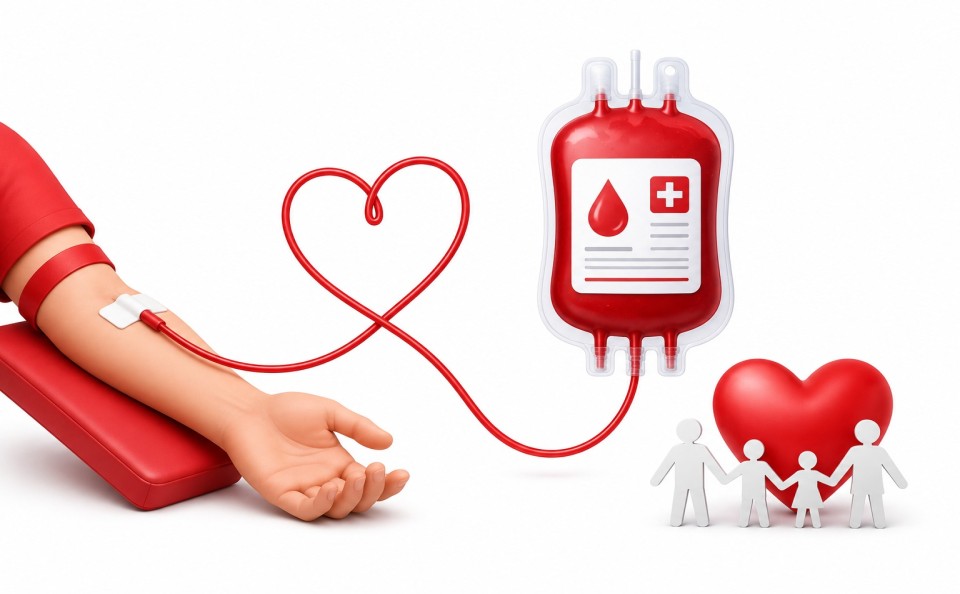
Many individuals avoid donating blood due to fear or misconceptions. In reality, the procedure is simple, safe, and usually completed within a short time.
The process includes:
- Registration and medical screening
- Hemoglobin and vital sign assessment
- Blood collection under sterile conditions
- Short rest and refreshments after donation
The body naturally replenishes the donated blood volume within a short period.
Is Blood Donation Safe?
Blood donation is a highly regulated and safe medical procedure. Sterile, disposable equipment is used for every donor, eliminating the risk of infection transmission.Trained healthcare professionals monitor donors throughout the process to ensure comfort and safety. Most donors experience minimal discomfort and can resume normal activities shortly after donation.
Health Benefits of Blood Donation
In addition to helping others, blood donation may provide certain health benefits to donors. Regular donation can help maintain healthy iron levels and stimulate the production of new blood cells. It also provides an opportunity for basic health screening, including blood pressure and hemoglobin assessment. Importantly, many donors experience a sense of emotional satisfaction and social contribution after helping save lives.
Common Myths About Blood Donation
- Several misconceptions prevent people from donating blood.
- One common myth is that blood donation causes weakness or long-term health problems. In reality, healthy individuals recover quickly and can safely donate at regular intervals.
- Another misconception is that blood donation is painful. Apart from a brief needle prick, the procedure is generally well tolerated.
- Some individuals also fear infection during donation, but strict sterilization practices ensure complete safety.
- Public awareness and education are essential to overcome these myths and encourage voluntary donation.
Importance of Voluntary Blood Donation
Voluntary unpaid blood donation is considered the safest and most reliable source of blood supply. Regular voluntary donors are more likely to maintain healthy lifestyles and undergo routine health checks, improving overall blood safety. A strong culture of voluntary donation helps ensure that blood is available whenever emergencies arise.
Role of Blood Banks and Hospitals
Blood banks play a crucial role in collecting, testing, processing, storing, and distributing blood safely.
At East Point Hospital, advanced blood bank services ensure:
- Safe donor screening
- Strict infection testing
- Proper blood storage and handling
- Availability of blood components for emergency and routine care
Maintaining adequate blood supplies is a collective responsibility that requires active community participation.
Encouraging Community Participation
Blood donation drives and awareness programs are important for encouraging healthy individuals to become regular donors.
Educational initiatives help build trust, dispel fears, and highlight the lifesaving impact of blood donation on patients and families.
Even a single donation can make a significant difference during medical emergencies.
Conclusion
Blood donation is a simple act of kindness that has the power to save lives and strengthen healthcare systems. Safe and voluntary blood donation ensures that hospitals can provide timely treatment for emergencies, surgeries, and chronic illnesses. At East Point Hospital, we encourage healthy individuals to participate in voluntary blood donation and contribute to this lifesaving mission. Your donation can provide hope, healing, and a second chance at life for someone in need. Donate blood—because every drop matters.