World COPD Day: Understanding Chronic Obstructive Pulmonary Disease and Breathing Difficulties
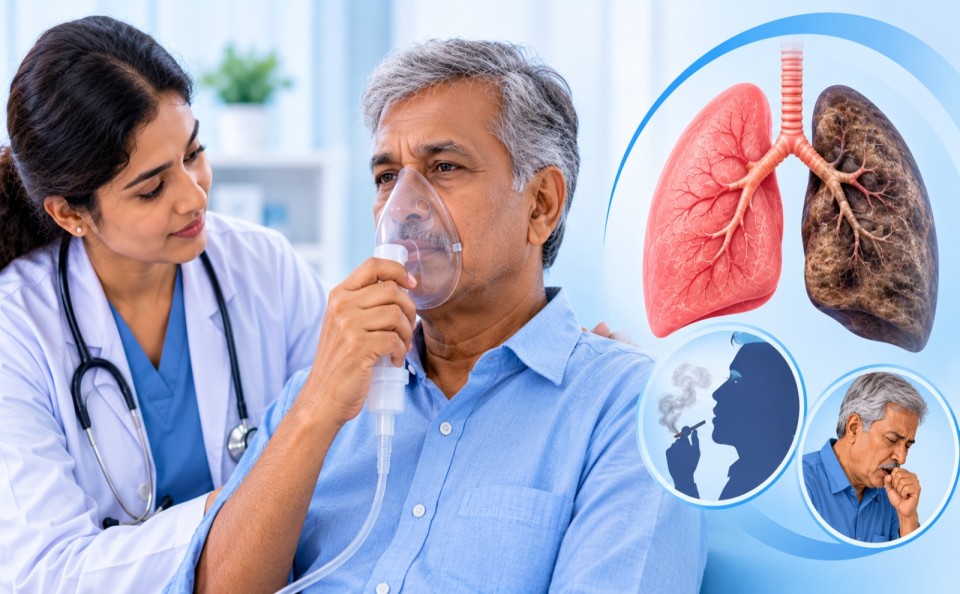
Breathing is essential for every activity we perform, from walking and exercising to sleeping and carrying out everyday tasks. However, for people living with chronic lung diseases, even simple activities can become difficult. Chronic Obstructive Pulmonary Disease (COPD) is a long-term lung condition that affects airflow and makes breathing difficult. It can gradually affect a person’s quality of life, particularly when symptoms are not recognised or managed appropriately. World COPD Day is observed every year to increase awareness about COPD, encourage early diagnosis, promote lung health and highlight the importance of appropriate treatment and ongoing care. Let us understand COPD, its symptoms, causes, prevention and available treatment options.
What Is COPD?
Chronic Obstructive Pulmonary Disease (COPD) is a group of progressive lung conditions that cause persistent airflow obstruction and breathing difficulties.
The two major conditions associated with COPD are:
- Chronic Bronchitis: Chronic bronchitis involves long-term inflammation of the bronchial tubes, which carry air into and out of the lungs. It is characterised by a persistent cough with mucus production.
- Emphysema: Emphysema damages the tiny air sacs (alveoli) in the lungs, reducing their ability to transfer oxygen effectively and making it difficult to breathe out. Some people with COPD have features of both conditions. Although COPD is a chronic condition, appropriate treatment, lifestyle modifications and regular medical follow-up can help control symptoms and improve quality of life.
What Causes COPD?
COPD usually develops after prolonged exposure to substances that irritate and damage the lungs.
Common risk factors include:
- Smoking: Cigarette smoking is a major risk factor for COPD.
- Second-hand smoke: Regular exposure to tobacco smoke can also damage the lungs.
- Air pollution: Long-term exposure to outdoor air pollution may contribute to respiratory problems.
- Indoor air pollution: Smoke from biomass fuels used for cooking or heating can increase COPD risk.
- Occupational exposure: Dust, chemical fumes and industrial pollutants may damage the respiratory system.
- Genetic factors: Alpha-1 antitrypsin deficiency is an inherited condition that can increase the risk of COPD.
COPD can also occur in people who have never smoked, particularly when they have experienced prolonged exposure to other lung irritants.
What Are the Common Symptoms of COPD?
COPD symptoms often develop gradually and may become more noticeable over time.
Common symptoms include:
- Persistent cough.
- Coughing with mucus or phlegm.
- Shortness of breath, particularly during physical activity.
- Wheezing or whistling sounds while breathing.
- Chest tightness.
- Frequent respiratory infections.
- Unusual tiredness and reduced exercise tolerance.
As the condition progresses, some people may experience breathlessness even during routine activities such as dressing, bathing or walking short distances.
Persistent respiratory symptoms should not be ignored. Early medical evaluation can help identify COPD and other possible lung conditions.
Who Is at Higher Risk of Developing COPD?
Certain individuals have a greater risk of developing COPD due to environmental, occupational or genetic factors.
These include:
- Current and former smokers.
- People exposed to second-hand tobacco smoke.
- Individuals exposed to biomass cooking smoke.
- Workers exposed to dust, fumes or chemicals.
- People living in areas with significant air pollution.
- Individuals with a family history of certain genetic lung conditions.
- People with a history of repeated respiratory infections or other lung problems.
Identifying these risk factors can help individuals take preventive measures and seek appropriate medical advice.
How Is COPD Diagnosed?
COPD diagnosis involves evaluating symptoms, medical history, exposure to risk factors and lung function.
Some commonly used investigations include:
- Spirometry: Spirometry is an important test used to diagnose COPD. It measures how much air a person can breathe out and how quickly they can do so.
It helps doctors assess airflow obstruction and determine the severity of lung function impairment.
- Chest X-ray: A chest X-ray may help identify other lung conditions and assess certain changes associated with COPD. However, it cannot independently confirm COPD.
- CT Scan of the Chest: A CT scan may be recommended in selected patients to examine lung structure, assess emphysema or investigate other abnormalities.
- Oxygen Level Assessment: Pulse oximetry measures oxygen saturation in the blood and helps assess whether additional respiratory evaluation is required.
- Blood Investigations: Selected patients may require blood tests, including arterial blood gas analysis, to evaluate oxygen and carbon dioxide levels.
The doctor will decide which investigations are necessary based on the patient’s symptoms and clinical condition.
What Are the Treatment Options for COPD?
COPD cannot usually be completely reversed, but appropriate treatment can help control symptoms, reduce exacerbations and improve daily functioning.
1. Stop Smoking: Stopping smoking is one of the most important steps in managing COPD. It can help slow the progression of lung damage and improve respiratory health.
Patients who need support with quitting tobacco can discuss available cessation programmes with their healthcare professionals.
2. Bronchodilator Medicines: Bronchodilators help relax the muscles surrounding the airways, making it easier for air to move in and out of the lungs.
They are commonly prescribed through inhalers and may be short-acting or long-acting depending on the patient’s needs.
3. Inhaled Medicines: Some patients may require inhaled corticosteroids or combination inhalers to reduce inflammation and manage symptoms or exacerbations.
The choice of inhaler depends on individual clinical assessment.
4. Pulmonary Rehabilitation: Pulmonary rehabilitation is a structured programme that may include supervised exercise, breathing techniques, education and nutritional support.
It can help improve exercise tolerance, reduce breathlessness and support better quality of life.
5. Oxygen Therapy: Long-term oxygen therapy may be recommended for selected patients with persistently low blood oxygen levels.
It should only be used according to medical assessment and prescription.
6. Management of COPD Exacerbations: A COPD exacerbation is a sudden worsening of respiratory symptoms, such as increased breathlessness, cough or changes in sputum.
Exacerbations may require urgent medical evaluation, adjustments to inhaled treatment or other prescribed medicines, and sometimes hospitalisation.
How Can You Prevent COPD and Protect Your Lungs?
Although some risk factors cannot be avoided completely, several measures can help reduce the risk of COPD and protect respiratory health.
- Avoid smoking and all forms of tobacco.
- Avoid exposure to second-hand smoke.
- Reduce exposure to indoor and outdoor air pollution.
- Use appropriate protective equipment in dusty or chemical work environments.
- Maintain good indoor ventilation.
- Stay physically active according to your health condition.
- Follow recommended influenza, pneumococcal and other applicable vaccinations after medical advice.
- Seek timely treatment for persistent respiratory symptoms.
- Attend regular medical check-ups if you have significant risk factors.
Protecting your lungs begins with reducing exposure to harmful substances and maintaining healthy respiratory habits.
Living with COPD: Daily Care and Lifestyle Management
People living with COPD can take several steps to manage their condition and maintain independence.
Practise Breathing Techniques: Pursed-lip breathing and diaphragmatic breathing may help some patients manage breathlessness. A healthcare professional or pulmonary rehabilitation specialist can demonstrate the correct techniques.
Maintain Physical Activity: Appropriate physical activity can help improve endurance and muscle strength. Exercise should be planned according to individual respiratory capacity.
Follow Your Inhaler Technique: Using inhalers correctly is essential for effective treatment. Ask your doctor or healthcare professional to demonstrate the proper technique.
Maintain Good Nutrition: A balanced diet helps support overall health and muscle strength. Nutritional needs may vary depending on the severity of COPD.
Attend Regular Follow-Up Visits: Regular consultations help monitor symptoms, assess treatment effectiveness and identify complications early.
When Should You Seek Medical Attention?
People with COPD should be aware of symptoms that may indicate worsening of their condition.
Seek medical advice if you experience:
- Increasing breathlessness.
- More frequent or severe coughing.
- Increased mucus production.
- Changes in the colour or thickness of sputum.
- Fever or other signs of infection.
- Reduced ability to perform normal daily activities.
Seek emergency medical attention if you experience severe breathing difficulty, bluish lips or face, confusion, fainting or reduced responsiveness.
Do not delay treatment when breathing difficulties become severe.
Take a Step towards Better Lung Health
COPD is a long-term lung condition that requires awareness, early diagnosis and continuous management. Avoiding tobacco, reducing exposure to air pollutants, following prescribed treatment and attending regular check-ups can help protect lung health. This World COPD Day, let us encourage people to recognise respiratory symptoms, seek timely medical advice and take preventive steps towards healthier breathing. At East Point Hospital, patients can consult qualified healthcare professionals for respiratory evaluation, lung function assessment and guidance on managing chronic respiratory conditions.
Breathe better. Protect your lungs. Take control of your respiratory health.