National Epilepsy Day: Understanding Seizures, Symptoms and First Aid
Epilepsy is a neurological condition that affects millions of people worldwide. It is characterised by a tendency to experience recurrent seizures caused by abnormal electrical activity in the brain. A seizure can be frightening to witness, particularly when it happens unexpectedly. However, understanding epilepsy, recognising seizure symptoms and knowing the correct first-aid steps can help protect individuals and prevent injuries. National Epilepsy Day in India is observed on 17 November to raise awareness about epilepsy, reduce misconceptions and encourage timely diagnosis, treatment and support for people living with the condition.
What Is Epilepsy?
Epilepsy is a chronic neurological disorder characterised by an enduring tendency to experience recurrent, unprovoked seizures. A seizure occurs when there is a sudden disturbance in the normal electrical activity of the brain. Depending on the area of the brain involved, seizures may affect awareness, movement, sensation, behaviour or consciousness. Epilepsy can affect people of any age. With appropriate diagnosis and treatment, many individuals with epilepsy can lead active and fulfilling lives. It is important to understand that not every seizure means a person has epilepsy. Some seizures may occur due to fever, low blood sugar, infections, head injuries or other medical conditions.
What Causes Epilepsy?
Epilepsy can develop due to several factors. In some individuals, the exact cause may not be identified.
Common possible causes include:
- Genetic factors.
- Previous head injuries.
- Brain infections such as meningitis or encephalitis.
- Stroke or other conditions affecting the brain.
- Brain tumours or structural abnormalities.
- Complications affecting the brain around birth.
- Certain developmental or neurological conditions.
In some cases, epilepsy develops without an identifiable underlying cause. Identifying the possible cause can help doctors select appropriate investigations and treatment.
What Are the Different Types of Seizures?
Seizures can present in different ways depending on where abnormal electrical activity begins and whether it spreads to other parts of the brain.
1. Focal Seizures
Focal seizures begin in one area of the brain.
Symptoms may include:
- Unusual sensations or feelings.
- Repetitive movements such as lip-smacking or hand movements.
- Sudden changes in awareness.
- Unusual smells, tastes or visual experiences.
- Temporary confusion.
Some focal seizures occur with preserved awareness, while others affect awareness.
2. Generalised Seizures
Generalised seizures involve networks on both sides of the brain from the beginning. Common types include:
Tonic-Clonic Seizures: These may cause sudden loss of consciousness, body stiffening followed by rhythmic jerking movements, and temporary confusion or tiredness afterwards.
Absence Seizures: These may cause brief episodes of staring or reduced awareness, often lasting only a few seconds.
Myoclonic Seizures: These cause sudden, brief muscle jerks.
Atonic Seizures: These involve sudden loss of muscle tone and may cause the person to fall.
Seizure symptoms vary, and not all seizures involve shaking or loss of consciousness.
What Are the Warning Signs of Epilepsy?
Some people experience warning symptoms before a seizure, while others have no warning at all.
Possible symptoms include:
- Sudden staring or loss of awareness.
- Uncontrolled jerking movements.
- Sudden stiffening of the body.
- Temporary confusion.
- Unusual sensations or feelings.
- Sudden unexplained falls.
- Repetitive movements such as lip-smacking.
- Temporary changes in speech or behaviour.
Some individuals experience an aura before a focal seizure. An aura may involve unusual smells, tastes, visual changes or a sudden feeling of fear.
Anyone experiencing recurrent unexplained episodes should seek medical evaluation.
What Should You Do If Someone Has a Seizure?
Knowing seizure first aid is important because the right response can help prevent injuries.
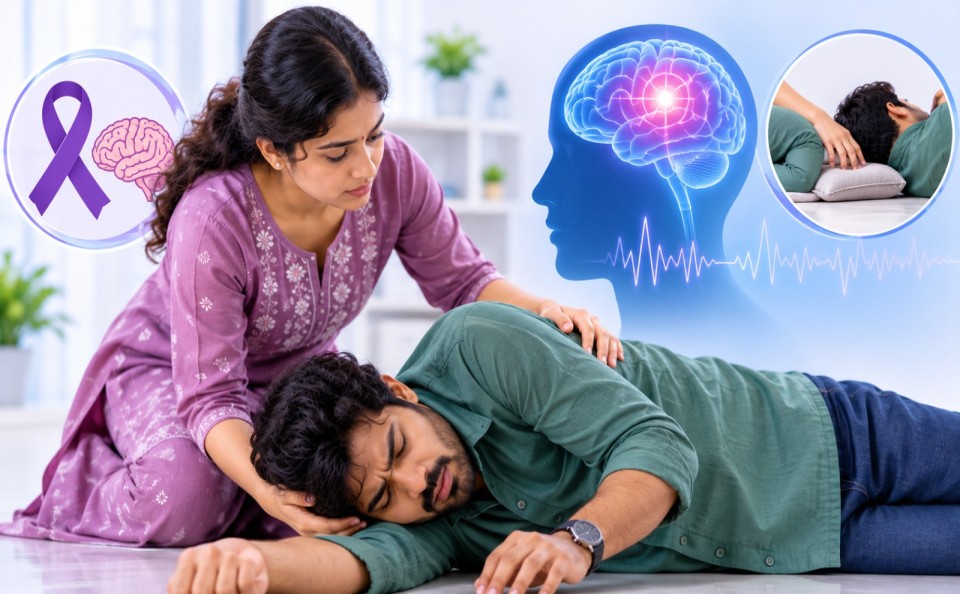
Follow these steps if someone experiences a seizure:
- Stay Calm: Remain calm and reassure others nearby. Most seizures stop on their own within a short period.
- Protect the Person from Injury: Move nearby furniture, sharp objects or other hazards away from the person.
- Protect the Head: Place something soft, such as a folded towel or clothing, under the person’s head.
- Do Not Restrain Movements: Allow the seizure to happen naturally. Do not attempt to hold down the person’s arms or legs.
- Never Put Anything in the Mouth: Do not insert fingers, spoons, cloth or other objects into the person’s mouth. A person cannot swallow their tongue, and placing objects in the mouth can cause injury.
- Turn the Person on Their Side When Possible: When the jerking movements have stopped, gently place the person on their side to help keep the airway clear, provided it is safe to do so.
- Stay Until the Person Recovers: Remain with the person until they are fully alert. They may feel tired, confused or sleepy after a seizure.
- Note the Duration of the Seizure: Record how long the seizure lasts. This information can help healthcare professionals.
When Should You Call Emergency Medical Assistance?
Seek emergency help if:
- The seizure lasts five minutes or longer.
- Another seizure begins before the person has fully recovered.
- The person has difficulty breathing or does not regain consciousness.
- The seizure occurs in water.
- The person is injured during the seizure.
- It is the person’s first known seizure.
- The person is pregnant or has another serious medical condition.
In India, call 112 for emergency assistance when needed.
How Is Epilepsy Diagnosed?
Epilepsy diagnosis involves understanding the patient’s medical history, seizure symptoms and clinical examination. Doctors may recommend the following investigations:
- Electroencephalogram (EEG): EEG records electrical activity in the brain and can help identify patterns associated with epilepsy.
- Magnetic Resonance Imaging (MRI): MRI may help identify structural abnormalities, previous injuries, tumours or other changes in the brain.
- Computed Tomography (CT) Scan: A CT scan may be recommended in selected situations, particularly during emergency assessment or when a recent brain injury or bleeding is suspected.
- Blood Investigations: Blood tests may help identify metabolic abnormalities, infections or other conditions that can cause seizures.
- Clinical and Neurological Assessment: A detailed medical history and neurological examination help doctors understand the nature of the episodes and determine appropriate investigations.
Not every patient requires all these tests. The choice depends on individual clinical findings.
What Are the Treatment Options for Epilepsy?
Epilepsy can often be managed effectively with appropriate treatment.
1. Anti-Seizure Medicines: Anti-seizure medicines are commonly used to control seizures. The choice of medicine depends on the seizure type, age, other medical conditions and individual requirements.
Patients should take medicines regularly as prescribed and should not stop treatment suddenly without medical advice.
2. Epilepsy Surgery: Selected patients whose seizures are not adequately controlled with medicines may be evaluated for epilepsy surgery.
3. Dietary Therapy: Specific dietary approaches, such as the ketogenic diet, may be considered for selected patients under specialist supervision, particularly in certain forms of difficult-to-control epilepsy.
4. Neuromodulation: Certain patients may benefit from specialised treatments such as vagus nerve stimulation or other neuromodulation techniques.
Treatment decisions should always be individualised by a qualified neurologist.
Can Epilepsy Be Prevented?
Not all forms of epilepsy can be prevented. However, certain measures may reduce the risk of brain injuries and conditions associated with seizures.
- Use helmets while riding two-wheelers and participating in appropriate sports.
- Follow road and workplace safety measures.
- Seek timely treatment for serious infections.
- Maintain good maternal and newborn healthcare.
- Manage conditions such as diabetes and high blood pressure.
- Avoid alcohol misuse and recreational drugs.
- Follow medical advice after head injuries.
For people already diagnosed with epilepsy, taking medicines regularly, getting adequate sleep and avoiding individual seizure triggers may help improve seizure control.
Living a Healthy Life with Epilepsy
A diagnosis of epilepsy does not mean that a person cannot lead a productive and meaningful life.
With appropriate treatment and support, many individuals can study, work, participate in social activities and maintain relationships.
Some important measures include:
- Take prescribed medicines regularly.
- Attend scheduled neurological consultations.
- Maintain a regular sleep routine.
- Avoid known seizure triggers.
- Keep family members informed about seizure first aid.
- Follow appropriate safety precautions around water, heights and machinery.
- Seek medical advice before driving, in accordance with applicable regulations.
Emotional support from family, friends and healthcare professionals is also important.
Breaking the Myths and Stigma Around Epilepsy
Misunderstandings about epilepsy can lead to discrimination and social isolation.
Let us remember:
- Epilepsy is a neurological medical condition, not a mental illness.
- It is not contagious.
- A person having a seizure should not be restrained.
- Nothing should be placed inside the mouth during a seizure.
- Many people with epilepsy can achieve good seizure control with appropriate treatment.
- People living with epilepsy deserve dignity, respect and equal opportunities.
Creating awareness can help build a more supportive environment for individuals and families affected by epilepsy.
When Should You Consult a Neurologist?
Seek medical evaluation if you or someone you know experiences:
- Repeated episodes of unexplained loss of awareness.
- Sudden involuntary jerking movements.
- Recurrent unexplained falls.
- Brief episodes of staring or confusion.
- Unusual sensations associated with changes in awareness.
- Any first-time suspected seizure.
Early assessment helps identify the cause and determine appropriate treatment.
A first seizure requires prompt medical evaluation, even if the person appears to recover completely.
Together, Let Us Create Awareness About Epilepsy
Epilepsy is a manageable neurological condition for many individuals. Awareness, early diagnosis, appropriate treatment and correct seizure first aid can make a meaningful difference in the lives of patients and their families. This National Epilepsy Day, let us encourage understanding, challenge misconceptions and support people living with epilepsy. At East Point Hospital, patients can consult qualified healthcare professionals for neurological evaluation, seizure assessment and appropriate medical guidance.
Understand epilepsy. Know seizure first aid. Support every individual.