World Prematurity Day: Caring for Babies Born Too Early
Every baby deserves the opportunity to grow, develop and enjoy a healthy life. While most pregnancies progress to full term, some babies are born earlier than expected. These babies are known as premature or preterm babies and may require specialised medical care to support their growth and development.
Premature birth can bring unique challenges for newborns and their families. However, advances in neonatal care, early medical intervention and continuous monitoring have improved outcomes for many premature babies. World Prematurity Day, observed on 17 November, raises awareness about preterm birth, the challenges faced by premature babies and the importance of specialised newborn care.
What Is Premature Birth?
A baby born before completing 37 weeks of pregnancy is considered premature or preterm.
Premature births are generally classified into the following categories:
- Extremely preterm: Born before 28 weeks of pregnancy.
- Very preterm: Born between 28 and less than 32 weeks.
- Moderate to late preterm: Born between 32 and less than 37 weeks.
The earlier a baby is born, the greater the possibility of health complications because important organs may not have completed their development.
However, every premature baby is different, and medical care is planned according to the baby’s gestational age, birth weight and overall condition.
Why Are Some Babies Born Prematurely?
Preterm birth can occur for several reasons. Sometimes, the exact cause cannot be identified.
Certain factors may increase the risk of premature delivery, including:
- Previous history of preterm birth.
- Multiple pregnancies, such as twins or triplets.
- High blood pressure or pre-eclampsia during pregnancy.
- Diabetes and certain other medical conditions.
- Infections during pregnancy.
- Cervical or uterine abnormalities.
- Placental complications.
- Smoking, tobacco use or substance exposure.
- Poor maternal nutrition and inadequate antenatal care.
Having one or more risk factors does not mean that premature delivery will definitely occur. Regular antenatal consultations can help identify potential concerns and guide appropriate management.
What Are the Common Health Challenges Faced by Premature Babies?
Premature babies may require additional medical support because their organs and body systems are still developing. Some common challenges include:
1. Breathing Difficulties: The lungs of premature babies may not be fully developed. Some babies experience respiratory distress syndrome and require oxygen or specialised breathing support.
2. Difficulty Maintaining Body Temperature: Premature babies have less body fat and may struggle to maintain their body temperature. Incubators and radiant warmers help provide a controlled environment.
3. Feeding Difficulties: Some premature babies may not have developed the coordination needed to suck, swallow and breathe effectively. They may require feeding support through specialised methods until they can feed independently.
4. Increased Risk of Infection: The immune system of a premature baby may be immature, making the baby more vulnerable to infections. Strict hygiene and careful monitoring are essential.
5. Jaundice: Premature babies are more likely to develop neonatal jaundice because their liver may not be fully mature. Some babies require phototherapy under medical supervision.
6. Developmental Challenges: Some premature babies may have difficulties involving vision, hearing, movement, learning or development. Regular follow-up helps identify concerns and arrange early intervention when needed.
What Is the Role of the Neonatal Intensive Care Unit (NICU)?
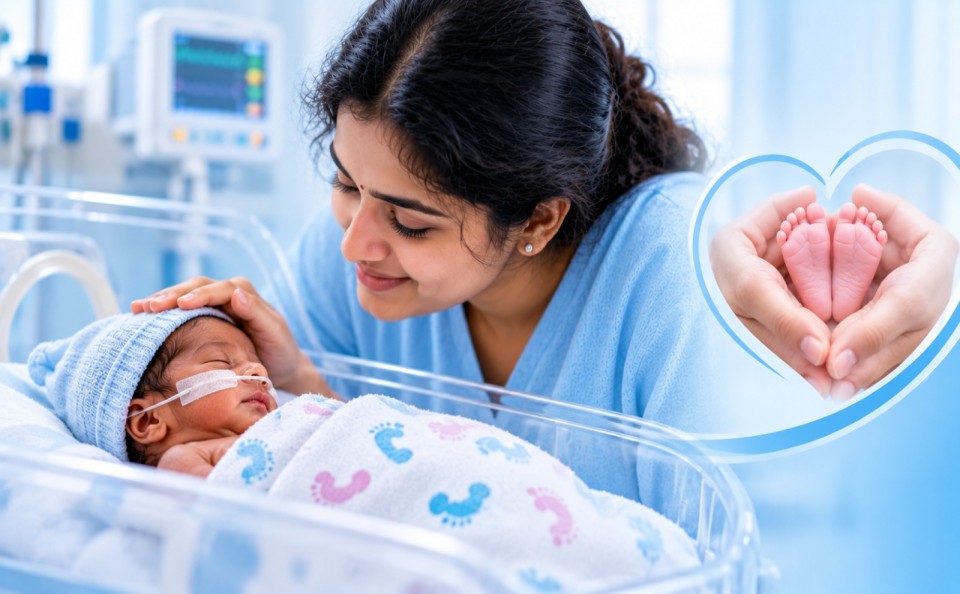
A Neonatal Intensive Care Unit (NICU) is a specialised hospital facility designed to care for newborn babies who require additional medical attention.
Depending on the baby’s condition, NICU care may include:
- Continuous monitoring of heart rate, breathing and oxygen levels.
- Incubator care to maintain body temperature.
- Oxygen therapy and respiratory support.
- Specialised feeding and nutritional support.
- Monitoring of blood glucose and other important parameters.
- Treatment of infections and other medical complications.
- Regular assessment of growth and development.
The NICU team generally includes neonatologists, paediatricians, neonatal nurses and other trained healthcare professionals who work together to support the baby’s recovery and development.
How Are Premature Babies Cared for?
The care of a premature baby depends on gestational age, birth weight and medical needs. Important aspects of care include:
1. Kangaroo Mother Care (KMC): Kangaroo Mother Care involves prolonged skin-to-skin contact between the baby and parent, along with appropriate breast milk feeding.
When clinically suitable and supported by trained healthcare professionals, KMC can help regulate the baby’s temperature, support breastfeeding and promote bonding.
2. Breastfeeding and Nutrition: Breast milk provides important nutrients and protective factors for newborn babies.
For premature infants, expressed breast milk may be given when direct breastfeeding is not yet possible. Some babies may require additional nutritional support according to their medical needs.
3. Temperature Management: Maintaining a stable body temperature is important for premature babies. Incubators, radiant warmers and skin-to-skin care may be used as appropriate.
4. Infection Prevention: Hand hygiene, appropriate feeding practices, clean surroundings and careful handling help reduce the risk of infection.
5. Regular Medical Monitoring: Premature babies require close monitoring of their breathing, feeding, weight gain and overall development.
How Can Mothers Reduce the Risk of Premature Birth?
Not all premature births can be prevented. However, good maternal healthcare can help identify risk factors and reduce certain preventable risks.
Expectant mothers should:
- Attend regular antenatal check-ups.
- Follow medical advice throughout pregnancy.
- Maintain a balanced and nutritious diet.
- Avoid smoking, tobacco and alcohol.
- Manage diabetes and blood pressure under medical supervision.
- Report unusual symptoms promptly.
- Follow recommended pregnancy-related investigations and vaccinations.
- Seek medical attention if there are signs of preterm labour.
Warning signs that require prompt medical assessment include regular contractions, pelvic pressure, persistent lower back pain, vaginal bleeding, fluid leakage or a noticeable change in fetal movements.
Why Is Follow-Up Care Important for Premature Babies?
Discharge from the hospital is an important milestone, but premature babies may need continued medical monitoring after going home. Follow-up care helps assess:
- Weight gain and physical growth.
- Feeding and nutritional requirements.
- Vision and hearing.
- Developmental milestones.
- Neurological development.
- Vaccination status.
- Any ongoing medical concerns.
Some premature babies may benefit from physiotherapy, developmental support or other specialised interventions. Parents should attend scheduled follow-up appointments and discuss any concerns about their baby’s feeding, growth or development with the healthcare team.
How Can Parents Support a Premature Baby at Home?
Caring for a premature baby at home can feel challenging, particularly during the initial weeks. Parents can support their baby’s health by following the medical team’s instructions.
- Maintain proper hand hygiene before touching the baby.
- Follow the recommended feeding schedule.
- Keep the baby warm and comfortable.
- Attend all follow-up appointments.
- Follow the recommended immunisation schedule.
- Avoid exposing the baby to people with infections.
- Maintain a smoke-free environment.
- Seek medical advice if the baby develops fever, breathing difficulty, poor feeding or unusual drowsiness.
Parents should not hesitate to ask healthcare professionals for guidance whenever they are unsure about their baby’s care.
When Should Parents Seek Immediate Medical Attention?
Premature babies require special attention because certain illnesses can progress rapidly.
Seek urgent medical attention if your baby develops:
- Difficulty or unusually fast breathing.
- Bluish discolouration of the lips or skin.
- Poor feeding or refusal to feed.
- Fever or unusually low body temperature.
- Unusual sleepiness or reduced responsiveness.
- Significant reduction in urine output.
Do not delay medical evaluation when a premature baby shows signs of illness.
Every Premature Baby Deserves Special Care and Attention
Premature birth can be a challenging experience for babies and their families. However, appropriate neonatal care, parental involvement, breast milk feeding when possible and regular follow-up can make a meaningful difference to a baby’s health and development. World Prematurity Day reminds us to recognise the challenges of preterm birth and support families caring for babies born too early. At East Point Hospital, parents can consult qualified paediatric healthcare professionals for newborn care, growth monitoring, feeding guidance and appropriate medical evaluation.
Small beginnings. Special care. Stronger futures.