Protect Your Vision: Common Eye Problems and the Importance of Regular Eye Checkups
Vision is one of our most precious senses, allowing us to learn, work, communicate, and enjoy the world around us. Healthy eyesight plays a vital role in education, employment, mobility, and overall quality of life. Yet, millions of people worldwide live with vision impairment caused by conditions that are preventable or treatable when detected early. Modern lifestyles have introduced new challenges to eye health. Increased screen time, prolonged use of computers and smartphones, air pollution, diabetes, ageing, and unhealthy habits have contributed to a rise in eye-related problems across all age groups. Children are developing vision problems earlier due to excessive digital device use, while adults face increasing risks of cataracts, glaucoma, diabetic eye disease, and age-related vision loss.
Many eye diseases develop silently without causing pain or noticeable symptoms in their early stages. By the time vision changes become obvious, permanent damage may already have occurred. This makes regular eye examinations one of the most important preventive healthcare measures. At East Point Hospital, our ophthalmologists provide comprehensive eye care services ranging from routine vision screening to the diagnosis and management of complex eye disorders. Through early detection, advanced diagnostic technology, and patient education, we help individuals preserve healthy vision throughout life.
Understanding How the Eye Works
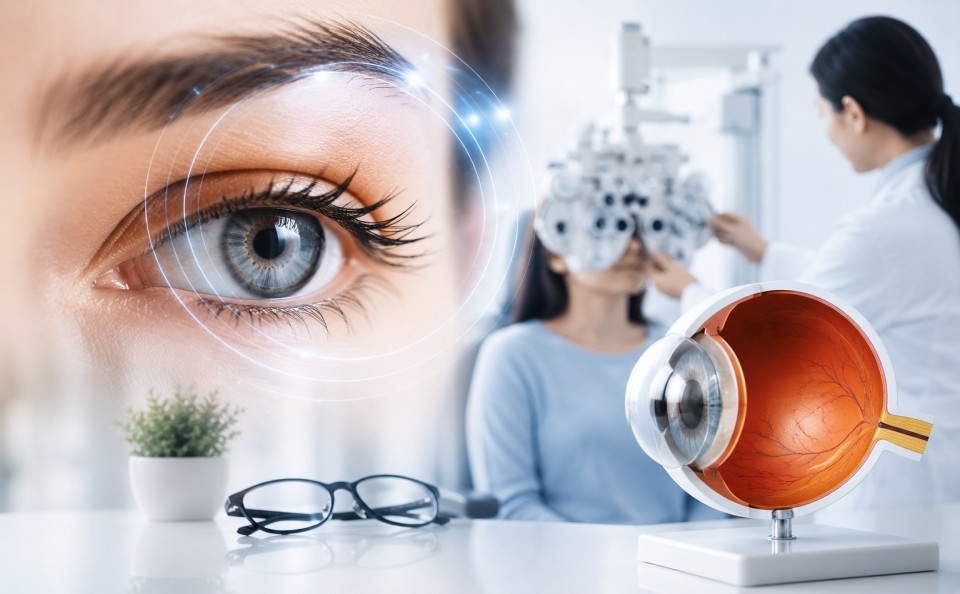
The human eye is a complex organ that functions much like a camera. Light enters through the cornea, passes through the pupil, and is focused by the lens onto the retina at the back of the eye. The retina converts light into electrical signals, which travel through the optic nerve to the brain, where images are interpreted.
For clear vision, every part of this process must function properly. Even minor abnormalities affecting the cornea, lens, retina, optic nerve, or surrounding structures can lead to blurred vision or other visual disturbances.
Why Regular Eye Checkups Are Important
Many serious eye conditions progress slowly and painlessly. Individuals often assume their eyesight is normal until significant vision loss has occurred.
Routine eye examinations help:
- Detect eye diseases early
- Correct refractive errors
- Monitor vision changes
- Identify diabetes- and hypertension-related eye damage
- Prevent avoidable blindness
- Detect systemic diseases affecting the eyes
- Assess children’s visual development
Regular screening allows doctors to begin treatment before irreversible damage occurs.
Common Eye Problems
Refractive Errors
Refractive errors are the most common cause of blurred vision.
They include:
Myopia (Nearsightedness): People can see nearby objects clearly but have difficulty seeing distant objects.
Hyperopia (Farsightedness): Nearby objects appear blurry, while distant vision may remain relatively clear.
Astigmatism: Irregular curvature of the cornea causes distorted or blurred vision at all distances.
Presbyopia: Usually developing after the age of 40, presbyopia makes it difficult to focus on nearby objects due to age-related changes in the eye’s lens.
Most refractive errors can be corrected with spectacles, contact lenses, or refractive surgery after proper evaluation.
Cataract
A cataract occurs when the normally clear lens of the eye becomes cloudy.
Risk Factors
- Ageing
- Diabetes
- Smoking
- Eye injury
- Long-term steroid use
- Excessive ultraviolet exposure
Symptoms
- Blurred vision
- Difficulty seeing at night
- Increased sensitivity to light
- Frequent changes in spectacle power
- Faded colour perception
Cataract surgery is one of the safest and most successful surgical procedures worldwide, restoring vision in the majority of patients.
Glaucoma
Glaucoma is often called the “silent thief of sight” because it damages the optic nerve gradually without noticeable symptoms during the early stages.
Untreated glaucoma can lead to permanent blindness.
Risk Factors
- Age over 40 years
- Family history
- Diabetes
- High eye pressure
- Long-term steroid use
Symptoms
Early glaucoma often has no symptoms.
Advanced disease may cause:
- Peripheral vision loss
- Difficulty seeing in dim light
- Severe eye pain (acute glaucoma)
- Headache
- Nausea
- Halos around lights
Routine eye pressure measurement and optic nerve examination are essential for early diagnosis.
Diabetic Retinopathy
Diabetes affects small blood vessels throughout the body, including those in the retina.
Diabetic retinopathy is one of the leading causes of preventable blindness among working-age adults.
Risk Factors
- Long-standing diabetes
- Poor blood sugar control
- High blood pressure
- High cholesterol
- Kidney disease
Symptoms
Early stages may not produce symptoms.
Later stages may cause:
- Blurred vision
- Floaters
- Dark spots
- Difficulty reading
- Sudden vision loss
People with diabetes should undergo a comprehensive dilated eye examination at least once a year.
Dry Eye Disease
Dry eye occurs when the eyes do not produce enough tears or when tears evaporate too quickly.
This condition has become increasingly common due to prolonged screen use and air-conditioned environments.
Symptoms
- Burning sensation
- Eye irritation
- Redness
- Gritty feeling
- Excessive tearing
- Blurred vision after prolonged reading or computer work
Treatment includes artificial tears, environmental modifications, and management of underlying causes.
Computer Vision Syndrome (Digital Eye Strain)
Digital devices have transformed modern life, but prolonged screen exposure can strain the eyes.
Symptoms
- Eye fatigue
- Headache
- Neck pain
- Blurred vision
- Dry eyes
- Difficulty focusing
Prevention
The 20-20-20 rule is highly effective:
Every 20 minutes, look at an object 20 feet away for at least 20 seconds.
Maintaining proper posture, adequate lighting, and regular blinking also reduces strain.
Childhood Eye Problems
Healthy vision is essential for learning and development.
Common childhood eye conditions include:
- Refractive errors
- Squint (strabismus)
- Lazy eye (amblyopia)
- Congenital cataract
- Colour vision deficiency
- Eye allergies
Parents should seek evaluation if a child:
- Sits very close to the television
- Squints frequently
- Complains of headaches
- Rubs the eyes excessively
- Has difficulty reading
- Shows poor school performance related to vision
Early intervention significantly improves visual outcomes.
Eye Injuries
Eye injuries require immediate medical attention.
Common causes include:
- Workplace accidents
- Sports injuries
- Road traffic accidents
- Chemical exposure
- Foreign bodies
Do not rub the eye or attempt to remove embedded objects. Immediate evaluation by an ophthalmologist is essential to prevent permanent damage.
Protecting Your Vision
Simple daily habits can preserve eye health.
These include:
- Wearing sunglasses with UV protection
- Eating foods rich in vitamins A, C, and E
- Controlling diabetes and blood pressure
- Avoiding smoking
- Taking regular breaks during screen use
- Wearing protective eyewear during hazardous activities
- Getting adequate sleep
- Avoiding self-medication with eye drops
A healthy lifestyle benefits both eye health and overall well-being.
Eye Health and Nutrition
Nutrition plays an important role in maintaining healthy vision.
Foods that support eye health include:
- Green leafy vegetables
- Carrots
- Sweet potatoes
- Citrus fruits
- Fish rich in omega-3 fatty acids
- Eggs
- Nuts and seeds
A balanced diet helps reduce the risk of age-related eye diseases.
When Should You Visit an Eye Specialist?
Consult an ophthalmologist if you experience:
- Sudden vision loss
- Persistent blurred vision
- Eye pain
- Double vision
- Flashes of light
- New floaters
- Redness lasting several days
- Eye injury
- Difficulty seeing at night
Children should undergo regular vision screening, while adults should have periodic eye examinations based on age and individual risk factors.
Comprehensive Eye Care at East Point Hospital
At East Point Hospital, our Ophthalmology Department offers comprehensive diagnostic and treatment services for patients of all ages.
Our services include:
- Comprehensive eye examinations
- Vision testing
- Cataract evaluation and surgery
- Glaucoma screening and management
- Diabetic retinopathy screening
- Pediatric eye care
- Dry eye management
- Emergency eye care
- Preventive vision screening
Using modern diagnostic technology and evidence-based treatment, our specialists focus on preserving vision and improving quality of life.
Conclusion
Healthy eyesight is essential for every stage of life—from childhood education to productive adulthood and independent ageing. Many eye diseases develop silently, making regular eye examinations the key to preventing avoidable vision loss. At East Point Hospital, we encourage individuals and families to prioritize routine eye checkups, maintain healthy lifestyle habits, and seek medical attention promptly if they notice changes in their vision. Protecting your eyes today can help preserve clear vision for years to come.